September 22, 2026
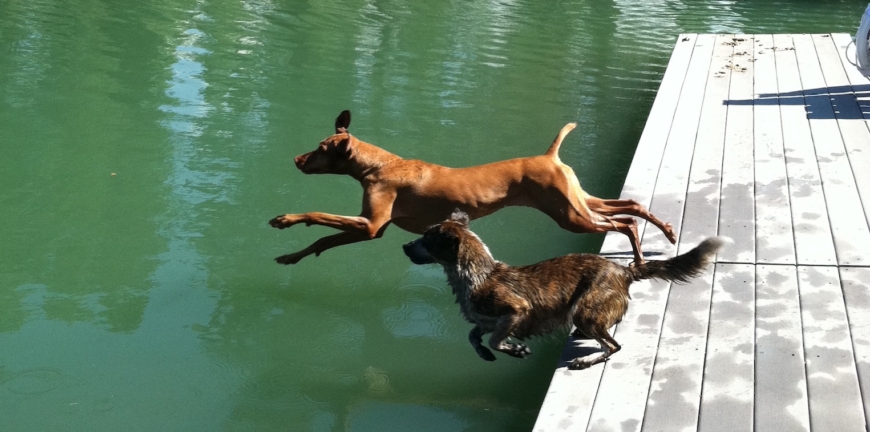
Summer Fun With Our Pets
Summer can be a great time of year in Central Oregon. We may be outdoors more often, including our pets. Whether this means basking in the sun on the porch or going out for some hikes, there are a few things to consider for your pets to keep them healthy and safe during the warm weather.
At Pawtown Veterinary Care, we see the effects of Central Oregon’s hot, dry summers firsthand, from heat-related injuries to cheatgrass awns to smoke-related breathing trouble. Our veterinary team put together this guide so you and your dog or cat can enjoy the season while avoiding the summer hazards we see most often in Bend.
Water Safety, Hydration, and Supervision Around Water
Make sure your pet has access to plenty of fresh water throughout the day. Since it is warm, your pet will need more water than usual so they do not become dehydrated, so check that water dishes are clean and change the water frequently. If you plan to spend time near a pool, lake, or river with your pet, keep a close eye on them the whole time. Not every dog is a natural swimmer, and even confident swimmers can struggle against currents or become disoriented in unfamiliar water. Rinse your dog off after swimming to remove chlorine, algae, or salt from their coat, and discourage your pet from drinking pool or lake water, since it can upset their stomach.
Recognizing and Preventing Heat Stroke
Heat stroke is one of the most serious summer risks for dogs and cats, and it can develop quickly on a hot Central Oregon afternoon. According to the ASPCA’s hot weather safety guidance, warning signs include heavy panting, drooling, weakness, a dark red or purple tongue, vomiting, and collapse. If you notice any of these signs, move your pet to a cool area right away, offer small amounts of water, and contact us or head to an emergency clinic immediately. Older pets, overweight pets, and brachycephalic breeds, meaning dogs and cats with short noses such as bulldogs and Persian cats, are especially prone to overheating because they cannot pant as effectively as other pets.
Take walks or hikes during the cooler hours of the day, both to help prevent overheating and to protect your pet’s paws from hot asphalt, sand, or rocks. If you cannot comfortably hold your hand on the pavement for several seconds, it is too hot for your pet’s paws as well.
Never Leave Pets in a Parked Car
Never leave your pet alone in a parked vehicle during warm weather, even for a few minutes and even with the windows cracked. Temperatures inside a car can climb to dangerous levels quickly, and pets cool themselves mainly through panting, which becomes far less effective in a hot, enclosed space. The ASPCA notes that a parked car can become dangerous for pets within minutes once outside temperatures climb above 70 degrees Fahrenheit, regardless of shade or ventilation.
Cheatgrass and Other Seasonal Hazards in Central Oregon
Cheatgrass is very common at the beginning of summer throughout our region. The sharp seeds can work their way into a pet’s ears, paws, nose, tonsils, or skin, sometimes causing pain, an abscess, a cough, sneezing, or infection. The best way to avoid problems is to keep your pet away from cheatgrass when possible, though this can be difficult in Central Oregon since it grows nearly everywhere in the summer. After a hike or walk through grassy areas, check your pet’s fur, face, ears, and the spaces between their toes, and remove any seeds you find. If your pet is showing signs of a cheatgrass awn stuck in their paw, ear, or nose, our guide to cheatgrass injuries in pets walks through the warning signs in more detail.
Active Play and Minor Injuries
Pets tend to be more active in the summer, which also means injuries are more common. Dogs and cats can break toenails on hard or uneven surfaces, or sustain wounds and lacerations while playing or exploring outdoors. Being outdoors more also means more contact with other animals, and cats that go outside may get into fights with other cats or wildlife, leading to bite wounds or an abscess. Dogs may chase animals such as deer or porcupines, which can result in wounds or embedded quills. If a broken nail or minor wound occurs, clean the area gently with warm water and a small amount of mild soap, and prevent your pet from licking or chewing at the injury until they can be seen by a veterinarian.
Grooming and Sun Protection in Hot Weather
It can be tempting to give your dog or cat a summer buzz cut, but shaving down to the skin is not recommended for most breeds. A pet’s coat provides insulation from both heat and sunburn, so regular brushing is usually a better choice than a full shave. Cats can also benefit from more frequent brushing in the summer, which helps reduce loose fur and keeps them more comfortable in the heat. If your pet has thin fur, light-colored skin, or bald patches, ask your veterinarian whether a sunscreen or insect repellent made specifically for pets is a good fit for their needs, since products made for people are not safe to use on animals.
Thunderstorms, Fireworks, and Pet Anxiety
Thunderstorms and fireworks are common triggers for anxiety in pets during the summer months. Keep anxious pets indoors during storms or fireworks so they cannot escape the yard while panicked, and consider using fans, music, or the television to help mask the sound. Some pets benefit from anti-anxiety medication or calming aids during these events, and your veterinarian can help determine what may work best for your individual pet. If your dog or cat struggles with anxiety beyond storms and fireworks, such as separation anxiety or general noise sensitivity, our overview of pet anxiety in Bend covers additional options worth discussing at your next visit.
Parasites, Toxic Plants, and Food Hazards to Watch For
Warmer weather also brings out parasites such as ticks, fleas, and mosquitoes, and pets are more likely to encounter substances that can cause internal parasites as well, so keeping your pet on year-round preventatives matters. Summer gatherings introduce other risks too. Chocolate, grapes, onions, and alcohol are all hazardous to pets, so it is worth keeping food and drinks out of reach during barbecues or outdoor parties. If you are gardening or treating your lawn, be mindful of which plants and products are safe around pets, and keep your pet away from any area recently treated with fertilizer, herbicide, or insecticide until it has dried completely.
Wildfire Smoke and Air Quality
Wildfire smoke is an unfortunate reality of summer in Central Oregon, and it can affect pets just as it affects people. Poor air quality can cause coughing, eye irritation, discharge, and sneezing, and pets with asthma or other respiratory conditions may experience further irritation to the lungs, leading to difficulty breathing. Limit time outdoors when air quality is poor, and keep pets inside with windows closed when smoke is heavy. If wildfire season also has you thinking about evacuation readiness, our pet emergency evacuation kit checklist can help you prepare ahead of time.
When to Contact Pawtown Veterinary Care
Most summer hazards are manageable with a little extra attention, but some situations call for prompt veterinary care, including heat stroke, a wound that will not stop bleeding, or a pet that seems unusually lethargic after time outdoors. If you have any concerns about your pet this summer, please contact us or request an appointment. Our veterinary team is happy to help keep your dog or cat safe all season long.
Frequently Asked Questions About Summer Pet Safety
What temperature is too hot to walk my dog?
If you cannot hold your bare hand on the pavement for more than a few seconds, it is too hot for your dog’s paws as well. Try walking during the early morning or evening, and stick to grass or shaded trails when temperatures climb.
What are the first signs of heat stroke in a dog or cat?
Early signs include heavy panting, excessive drooling, weakness, and a dark red or purple tongue. As heat stroke progresses, pets may vomit, become disoriented, or collapse. Move your pet to a cool area and contact us right away if you notice these signs.
Is it safe to leave my pet in the car with the windows cracked?
No. Cracking the windows does not meaningfully cool a parked car, and temperatures inside can reach dangerous levels within minutes on a warm day. It is safest to leave your pet at home rather than in a vehicle during summer errands.
How do I know if my pet has a cheatgrass awn stuck in them?
Common signs include limping, repeated head shaking, sneezing, pawing at the ears or nose, or a swollen, painful area on the skin. Checking your pet’s fur, ears, and paws after time in grassy areas can help you catch an awn before it burrows further.
Can I use insect repellent or sunscreen made for humans on my pet?
No. Many human sunscreens and insect repellents contain ingredients that are unsafe for pets if licked or absorbed through the skin. Ask your veterinarian to recommend a product made specifically for animals before applying anything to your pet’s coat or skin.
Medically Reviewed By
Dr. Erin Miller, DVM & Dr. Lauren Stayer, DVM
Owners & Veterinarians, Pawtown Veterinary Care — Bend, Oregon