July 30, 2025
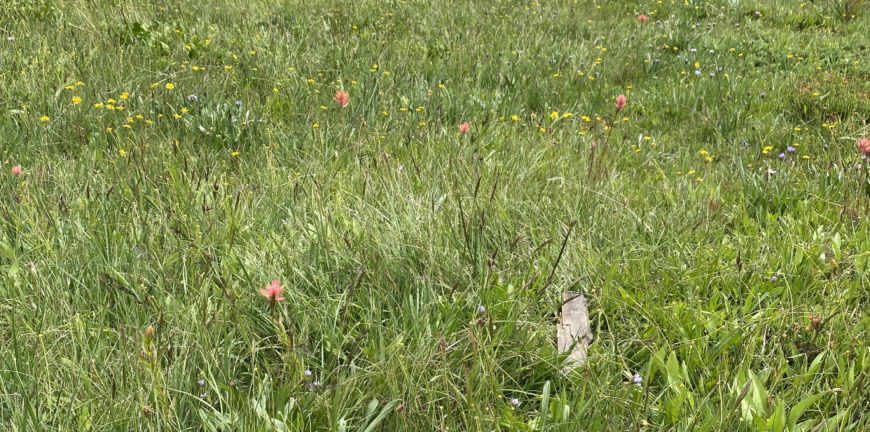
Why Does My Dog Eat Grass?
If your dog stops to nibble on grass during a walk or in the backyard, you are not alone. Grass eating is one of the most common behaviors veterinarians see in dogs, and in most cases it is completely normal. Dogs may eat grass because they like the taste, want extra fiber in their diet, or are simply bored and looking for something to do. Occasional grass eating rarely signals a serious health problem, though it helps to know the more common reasons behind it so you can tell when a trip to the vet makes sense.
At Pawtown Veterinary Care, we hear plenty of questions about grass eating from pet parents across Central Oregon. Because every dog is different, a dog wellness checkup is often the easiest way to rule out an underlying issue if the behavior changes or seems excessive. Our locally owned team has cared for dogs and cats in the Bend area for more than a decade, and we are always happy to talk through what is normal and what warrants a closer look.
Common Reasons Dogs Eat Grass
Most dogs who eat grass are not sick, and the behavior often comes down to instinct or personal preference. Here are some of the more common reasons your dog may reach for a mouthful of grass:
- Taste and texture. Many dogs simply enjoy the taste of fresh, young grass, especially in the spring.
- Fiber and roughage. A diet lacking enough fiber can leave a dog seeking a natural source of roughage in the yard.
- Boredom or anxiety. Nervous or understimulated dogs sometimes chew or bite at grass as a way to release energy.
- Curiosity and exploration. Puppies put almost everything in their mouths, including grass, as part of learning about their surroundings.
- Thirst in a dry climate. In Central Oregon’s dry air, some dogs lick or eat grass for the moisture, especially grass that is still wet from dew or sprinklers.
If your dog’s grass eating fits one of these patterns and your dog otherwise seems happy and healthy, the habit usually is not something to worry about.
When Grass Eating Signals a Problem
Grass eating on its own is rarely cause for concern, but it is worth paying closer attention when it happens alongside other symptoms. Dogs who vomit frequently after eating grass, lose their appetite, or develop diarrhea may be dealing with an upset stomach, a nutrient imbalance, or another underlying issue. A sudden increase in grass eating, especially if it becomes obsessive, can also point toward digestive discomfort that needs attention.
If you notice any of these signs of stomach upset alongside grass eating, it is a good idea to schedule a visit with your veterinarian. Our team provides urgent care during regular business hours, Monday through Friday from 8 a.m. to 5 p.m., so you can get answers quickly if something feels off with your pet.
Grass and Lawn Hazards in Central Oregon
Where your dog eats grass matters just as much as why. Lawns and open spaces treated with herbicides, pesticides, or fertilizers can expose dogs to chemicals that cause vomiting, drooling, or more serious symptoms if ingested. According to a University of Nebraska Extension guide on pesticide safety for pets, herbicides applied to lawns are among the more common sources of accidental pesticide exposure in dogs and cats, and vomiting and diarrhea are frequent early signs.
Central Oregon dogs face an added seasonal hazard in cheatgrass, a sharp, barbed grass that can work its way into paws, ears, and mouths. If your dog spends time on trails or in open fields, it helps to know what cheatgrass looks like and to check your dog over after outdoor adventures. Choosing pet-safe products for your own yard is one of the simplest ways to keep grass eating from turning into a bigger problem.
Trust Pawtown Veterinary Care With Your Dog’s Health
Pawtown Veterinary Care is locally owned by Dr. Erin Miller and Dr. Lauren Stayer, who have cared for dogs and cats throughout Central Oregon for more than ten years. We built our clinic around a small, hometown feel, which means you will always talk to someone who knows you and your pet by name rather than a rotating cast of unfamiliar faces. We also offer CareCredit and Scratch Pay financing, so cost does not have to stand in the way of getting your dog the care they need.
If your dog’s grass eating has you wondering whether something more is going on, we are happy to help you sort out what is normal and what deserves a closer look. Our team takes the time to answer your questions and explain what we find, so you always leave with a clear picture of your pet’s health. Reach out through our contact page to get in touch with our team today.
Medically Reviewed By
Dr. Erin Miller, DVM & Dr. Lauren Stayer, DVM
Owners & Veterinarians, Pawtown Veterinary Care — Bend, Oregon