August 17, 2026
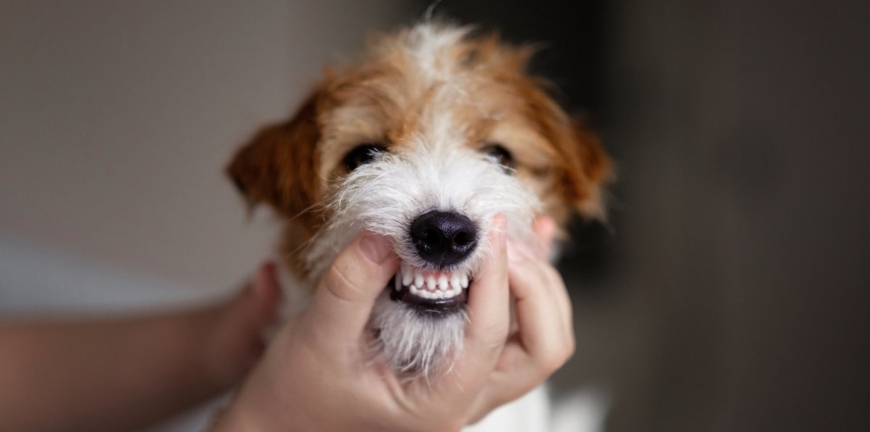
Why Dental Health Is About More Than Just Your Pet’s Teeth
Bad breath is easy to shrug off as just part of having a dog or cat. It seems harmless, maybe even a little funny, until you learn what is actually happening beneath the surface. By the time most pets reach three years old, some level of dental disease has already taken hold, often without a single visible sign beyond that odor.
That is why we built our dental services around more than clean teeth. A healthy mouth supports a healthy body, and the two are connected in ways many pet owners never expect.
How Dental Disease Reaches Beyond the Mouth
Plaque begins as a soft film on the teeth, and if it is not removed, it hardens into tartar and works its way beneath the gumline. Once bacteria establish themselves there, they do not always stay put. They can enter the bloodstream and travel to organs like the heart, liver, and kidneys, according to the American Veterinary Medical Association, which reports that gingival inflammation shows up in a large share of cats and is one of the most common health issues seen in companion animals.
This is part of why our senior pet care visits always include a close look at the mouth. Older dogs and cats tend to carry more years of plaque buildup, and their bodies have less reserve to absorb the strain of ongoing inflammation.
Signs of Dental Pain in Your Pet
Pets are skilled at hiding discomfort, so dental pain often goes unnoticed until it becomes severe. Watching for small shifts in behavior gives you a much earlier warning than waiting for obvious distress.
The following changes are worth a closer look:
- Bad breath that seems stronger than usual
- Pawing at the mouth or face
- Dropping food while eating or chewing on one side
- Visible tartar or red, swollen gums
Any one of these can be the first outward clue that something is happening below the gumline, long before it becomes painful enough to change your pet’s appetite entirely.
Building Dental Care into Everyday Life
Prevention does not need to be complicated, and small habits at home go a long way between professional visits. Regular brushing is one of the most effective tools available, especially when it becomes part of a routine your pet expects.
What You Can Do at Home
Introducing a toothbrush slowly and pairing it with praise helps most dogs and cats adjust without much resistance. Dental chews and water additives may support the effort as well, though they work best alongside brushing rather than in place of it.
What Professional Cleanings Add
Home care handles what is visible above the gumline, but professional cleanings reach the areas brushing cannot. Our dental cleanings include a thorough evaluation of each tooth, which helps us catch problems while they are still manageable. For pets already living with high desert allergens and cheatgrass season irritations, keeping the mouth healthy is one less thing working against their comfort.
Get the Care Your Pet Needs at Pawtown Veterinary Care
We know Bend is a place where dogs and cats are family, out hiking the trails or curled up at home after a day in the high desert sun. Keeping your pet’s mouth healthy is one more way we help them stay active and comfortable for years to come, and our team is always ready to talk through what a dental exam might look like for your particular pet.
If it has been a while since your pet’s last dental check, or if you have noticed any of the signs above, we would be glad to take a look. You can contact our office to schedule a visit.
Medically Reviewed By
Dr. Erin Miller, DVM & Dr. Lauren Stayer, DVM
Owners & Veterinarians, Pawtown Veterinary Care — Bend, Oregon