February 16, 2026
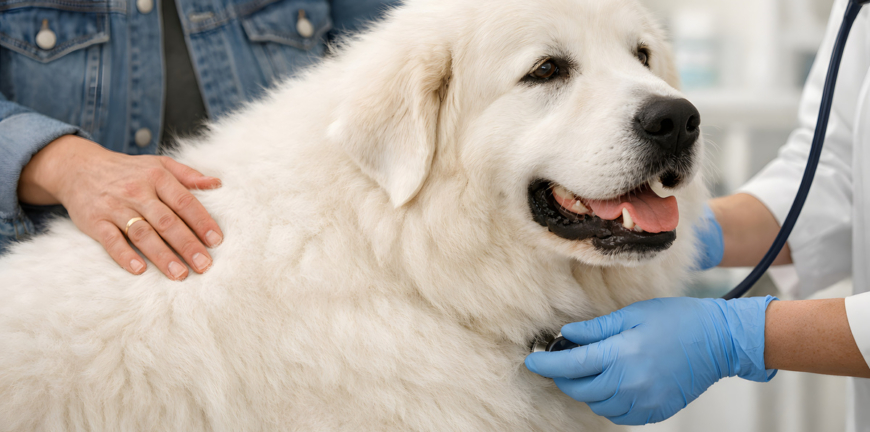
What Questions Should I Ask During My Pet’s Annual Wellness Exam?
Medically Reviewed by Dr. Erin Miller, DVM on August 12, 2026
Walking into your veterinarian’s office for your pet’s annual wellness exam can feel overwhelming. You want to make the most of this time with your vet, but it’s hard to know which questions matter most. Between juggling your dog’s excitement or your cat’s carrier anxiety, important topics can slip your mind before you even sit down in the exam room.
Your pet’s annual wellness exam is more than just a routine checkup. During comprehensive exams with Pawtown Veterinary Care in Bend, Oregon, our veterinarians use this time to catch health issues early, update preventive care plans, and address your specific concerns. Coming prepared with the right questions helps us work together to keep your pet healthy throughout the year.
What Should I Know About My Pet’s Current Health Status?
Start the conversation by asking about your pet’s overall condition. Your veterinarian can explain what they’re finding during the physical exam and whether everything falls within normal ranges. Ask about your pet’s weight, body condition score, and whether any changes from last year’s exam require attention. This baseline information helps you understand where your pet stands health-wise right now.
Questions about heart rate, dental health, and joint mobility can reveal subtle changes that haven’t yet caused visible symptoms at home. According to the American Veterinary Medical Association, detecting problems in their early stages makes them more likely to be treated and resolved with less expense, less difficulty, and better success.
Are My Pet’s Vaccinations and Preventive Care Up to Date?
Vaccination schedules vary based on your pet’s age, lifestyle, and health status. Ask which vaccines your pet needs this year and why each one is recommended. If you spend time hiking around Central Oregon’s trails or if your pet interacts with other animals, certain preventive measures become more important.
Discuss parasite prevention strategies for fleas, ticks, and heartworms. In Bend’s outdoor-focused environment, where pets frequently explore forests and open spaces, year-round protection helps prevent serious diseases. Ask whether your current preventive products provide adequate coverage or if adjustments would benefit your pet. If you want a deeper look at what these parasites are and how pets pick them up locally, our article on parasites in Central Oregon pets covers it in detail.
What Diagnostic Tests Does My Pet Need?
Routine screening tests catch problems before symptoms appear. Ask your veterinarian which diagnostic tests they recommend based on your pet’s age and breed. Blood work and other diagnostics can reveal early kidney disease, diabetes, or thyroid issues in older pets. Younger animals may benefit from baseline values that provide comparison points for future exams.
For dogs and cats, annual heartworm testing and fecal examinations check for parasites that can affect both pet health and human health. Knowing why each test matters helps you make informed decisions about your pet’s care.
How Can I Improve My Pet’s Diet and Weight Management?
Nutrition plays a significant role in your pet’s long-term health. Ask whether your pet’s current food meets their nutritional needs or if a different formula would be better suited to their age, activity level, or health conditions. If your pet has gained or lost weight since the last visit, discuss strategies for reaching and maintaining a healthy body condition. If your dog eats a grain-free food, ask about heart health too, since our post on grain-free diets covers the concern.
Dental health often connects to diet choices. Ask about dental-specific foods or treats that support oral health between professional cleanings. Your veterinarian can explain which products actually provide benefits and which ones are primarily marketing.
Should I Be Concerned About Any Behavior Changes?
Behavior changes sometimes signal underlying health problems. Mention any shifts in your pet’s eating habits, energy levels, sleep patterns, or interactions with family members. Increased thirst, accidents in the house, or new aggression can indicate medical issues that need investigation. If your pet is showing signs of stress, destructive behavior when left alone, or fear during loud events, our guide to pet anxiety, separation anxiety, and noise phobias can help you describe what you are seeing more precisely.
For senior pets, cognitive changes may be normal aging or could point to conditions that benefit from treatment. Ask about signs of pain or discomfort, especially if your pet has arthritis or other chronic conditions. Your observations at home provide valuable information your veterinarian needs to assess your pet’s quality of life.
What Will This Visit Cost, and Are There Financing Options?
Cost is a completely reasonable thing to ask about before your veterinarian recommends a treatment plan. Ask for an estimate before agreeing to diagnostics or procedures beyond the standard exam, and ask which recommendations are urgent versus which can be scheduled for a future visit if budget is a factor. If an unexpected diagnosis comes with a larger bill than you planned for, our financing options can help make the recommended care more manageable.
What Should I Watch for Between Now and the Next Exam?
Before leaving, ask what signs or symptoms should prompt you to call for an appointment before the next annual exam. Knowing the red flags helps you respond quickly if problems develop. Discuss your pet’s specific risk factors based on breed, age, and lifestyle, so you know which issues require immediate attention versus those that can wait for the next scheduled visit.
Frequently Asked Questions About Annual Wellness Exams
How long does an annual wellness exam usually take?
Most comprehensive wellness exams take between twenty and thirty minutes, though the visit may run longer if bloodwork, vaccines, or additional diagnostics are recommended. Bringing a written list of questions ahead of time helps you use that time efficiently.
Should I bring anything with me to my pet’s wellness exam?
A fresh stool sample, a list of any current medications or supplements, and your written questions are the most useful things to bring. If your pet has seen another veterinarian recently, records from that visit help us understand their full health history.
Does my indoor pet still need an annual exam?
Yes. Indoor pets still age, develop dental disease, and can be affected by internal parasites and organ changes that have nothing to do with outdoor exposure. An annual exam is how we catch those changes early, regardless of your pet’s lifestyle.
How often should senior pets be examined?
We generally recommend wellness exams every six months for senior dogs and cats, since age-related conditions can progress faster than an annual visit alone would catch. Your veterinarian can advise on the right interval based on your pet’s breed, age, and health history.
What if I cannot afford everything my vet recommends at the exam?
Tell your veterinarian directly. We can usually prioritize which recommendations are time-sensitive versus which can be scheduled later, and financing options are available for care that cannot wait. Being upfront about budget helps us build a plan that still protects your pet’s health.
Schedule Your Pet’s Wellness Exam at Pawtown Veterinary Care in Bend, Oregon
Drs. Erin Miller and Lauren Stayer believe in keeping your dogs and cats healthy throughout the years so they can continue to be an active part of your life. We work to create a veterinary clinic culture that feels like a family, where you and your pet experience comforting care even during stressful times.
Our team is ready to answer your questions and partner with you in maintaining your pet’s health through all life stages. Contact us today to schedule your pet’s comprehensive wellness exam and ensure they receive the preventive care they deserve.
About the Author
Co-Founder, Pawtown Veterinary Care
Dr. Erin Miller co-founded Pawtown Veterinary Care with a commitment to relationship-based, whole-pet care for dogs and cats throughout Bend and Central Oregon.