January 8, 2026
What Are the Signs My Pet Needs Professional Dental Cleaning?
Your pet needs professional dental cleaning when you notice persistent bad breath, visible tartar buildup on teeth, red or swollen gums, difficulty eating, or unusual drooling. These signs indicate dental disease that home care alone can’t fix.
At Pawtown Veterinary Care in Bend, Oregon, Drs. Erin Miller and Lauren Stayer see dental problems in dogs and cats regularly. Early detection helps prevent painful infections and tooth loss. Regular dental cleanings protect your pet’s overall health and can extend their life.
Why Bad Breath Is More Than Just Unpleasant
Bad breath in pets signals bacterial buildup below the gum line. While some odor after meals is normal, persistent foul breath means bacteria are multiplying. This bacterium causes gum disease, which can spread to your pet’s bloodstream and affect organs like the heart and kidneys. Many pet owners assume bad breath is just part of having a dog or cat, but healthy pets have relatively neutral breath.
Tartar and Plaque You Can See
Yellow or brown buildup on teeth, especially near the gum line, is tartar. Plaque forms daily from food and bacteria. When plaque hardens, it becomes tartar, which only professional cleaning can remove. Check your pet’s teeth by gently lifting their lip. Tartar often accumulates on the back molars first. White or pale teeth indicate good dental health, while discolored teeth suggest it’s time for a dental cleaning.
Changes in Gum Appearance
Healthy gums appear pink and firm. Red, swollen, or bleeding gums signal gingivitis or periodontal disease. Your pet’s gums shouldn’t bleed when they chew or when you touch them. Watch for a line of redness along the gum edge. This inflammation means bacteria are irritating the tissue. Left untreated, gum disease causes tooth roots to loosen and teeth to fall out.
Eating Difficulties and Behavior Changes
Pets with dental pain often show changes in eating habits. They may eat more slowly, drop food from their mouth, chew on one side, or avoid hard kibble entirely. Some pets stop eating altogether when dental disease becomes severe. You might also notice your pet pawing at their mouth, shaking their head, or becoming less playful. These behavioral changes often mean dental problems are causing discomfort.
Excessive Drooling or Nasal Discharge
Increased drooling, especially if the saliva is bloody or contains pus, indicates dental disease. Some pets develop swelling under one eye if an infected tooth root is near the nasal passages. Nasal discharge from one nostril sometimes connects to dental problems. Upper teeth roots sit close to the nasal cavity, and severe infections can create a pathway between the mouth and nose.
What Happens During a Professional Cleaning
Professional dental cleaning requires anesthesia so veterinarians can thoroughly clean above and below the gum line. The procedure removes tartar, polishes teeth, and addresses any diseased teeth. During the cleaning, the veterinary team takes dental X-rays to check for problems below the gum line. Many dental issues aren’t visible during a regular exam, and x-rays reveal root damage, bone loss, and abscesses that need treatment.
Prevention Starts at Home
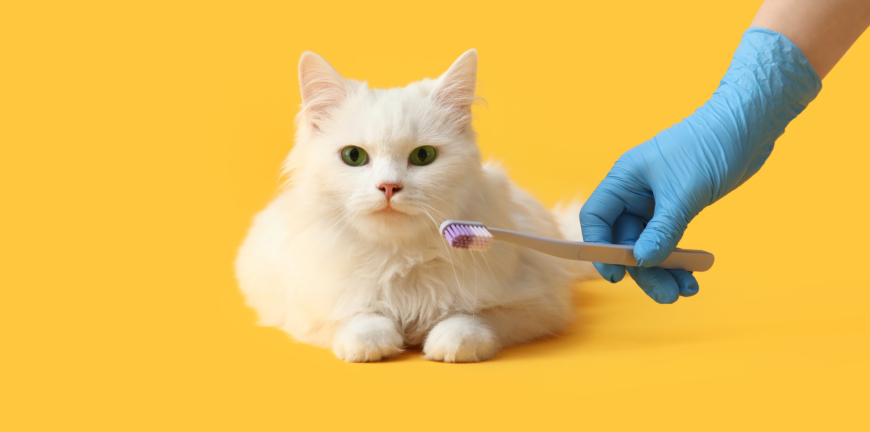
Regular home dental care reduces how often your pet needs professional cleanings. Daily tooth brushing with pet-safe toothpaste helps control plaque. Dental chews and special diets can supplement brushing, but don’t replace it. Start dental care when your pet is young. Cats and dogs who get used to tooth brushing as puppies or kittens tolerate it better as adults. Even older pets can learn to accept the routine with patience and positive reinforcement.
Schedule Regular Dental Checkups with Pawtown Veterinary Care
Most pets need professional dental evaluation and cleaning every 6 to 12 months, though some need more frequent care. During your pet’s regular checkup, the veterinary team examines their teeth and gums and recommends cleaning when needed. February is typically busy for dental care as many pet owners take advantage of dental health month promotions.
Don’t wait until your dog or cat shows obvious signs of dental disease. Contact Pawtown Veterinary Care to schedule a dental evaluation. Drs. Miller and Stayer provide comprehensive dental care that keeps your pet comfortable and healthy.