December 8, 2025
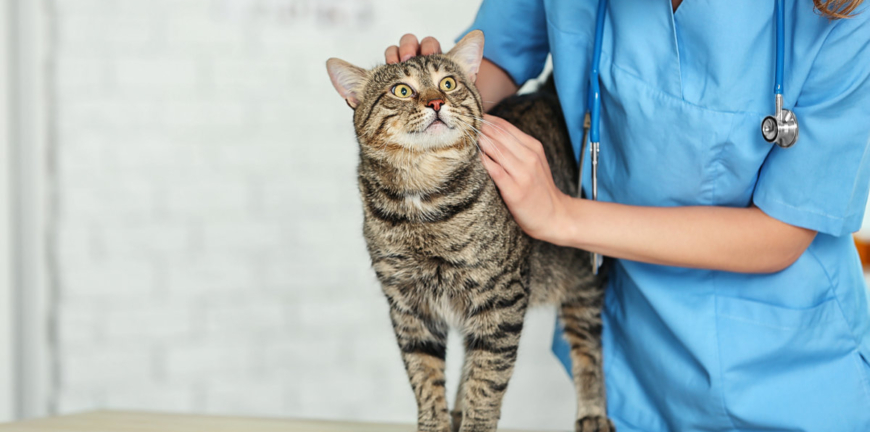
How Should I Prepare My Cat for Their First Visit to a New Veterinary Practice?
Your cat hides under the bed the moment you pull out the carrier, and the car ride transforms your calm companion into a yowling, stressed mess. First visits to new veterinary practices amplify this anxiety as your cat faces unfamiliar smells, sounds, and people in an environment that already triggers fear responses. Proper preparation reduces stress for both you and your cat while helping the veterinary team perform a thorough examination.
At Pawtown Veterinary Care, Drs. Erin Miller and Lauren Stayer understand that cats require different handling approaches than dogs. Our comprehensive veterinary services include cat-friendly techniques that make first visits less traumatic and establish positive associations with veterinary care throughout your cat’s life.
Carrier Training Weeks Before the Appointment
The carrier shouldn’t appear only on veterinary visit days. Place it in your living space with the door open at least two weeks before the appointment. Put soft bedding inside and toss treats near the entrance, gradually moving them deeper into the carrier. Feed meals next to or inside the carrier so your cat associates it with positive experiences rather than exclusively with stressful trips.
Spray synthetic feline pheromones inside the carrier 30 minutes before placing your cat inside. These products mimic calming facial pheromones, helping reduce anxiety. Leave a worn t-shirt with your scent in the carrier to provide familiar comfort during transport. Once your cat enters the carrier willingly for treats or meals, practice short car trips that don’t end at the veterinary clinic.
Choosing the Right Carrier Design
Top-loading carriers allow veterinarians to examine anxious cats without forcing them out into the open. Hard-sided carriers with removable tops offer the most flexibility for cat checkups while protecting your cat if startled animals in the waiting room suddenly move. Avoid soft-sided carriers that collapse easily or have multiple escape points your cat might exploit during stressful moments.
Managing the Car Ride
Secure the carrier with a seatbelt to prevent it from sliding or tipping during turns or stops. Cover three sides with a light towel or blanket to reduce visual stimulation while maintaining airflow. Keep the car temperature comfortable and avoid blasting heat or air conditioning directly at the carrier.
Play calm music at a low volume rather than maintaining complete silence, which amplifies every bit of road noise. Talk to your cat in a normal, soothing voice without excessive reassurance that might signal something is wrong. Avoid feeding your cat for 2-3 hours before the appointment to reduce the likelihood of car sickness, but ensure water remains available until departure.
What to Bring to the First Visit
Gather your cat’s medical records from previous veterinarians, including vaccination history, surgical records, and documentation of chronic conditions. Write down current medications, dosages, and frequencies. Create a list of questions or concerns you want to address so you don’t forget important topics during the appointment.
Bring high-value treats your cat loves but doesn’t receive daily. Small pieces of cooked chicken, freeze-dried salmon, or commercial cat treats work well for positive reinforcement during the examination. If your cat takes any medications, bring the bottles so the veterinary team can verify dosages and check for potential interactions with new prescriptions.
Information the Veterinary Team Needs
Note any behavioral changes, appetite fluctuations, litter box habits, or physical symptoms you’ve observed. Mention your cat’s normal personality and any specific fears or triggers. Share what handling techniques work best at home, such as whether your cat tolerates being held or prefers staying on surfaces. This information helps veterinarians at urgent care visits and routine appointments adjust their approach to your cat’s individual needs.
Reducing Stress in the Waiting Room
Request the first appointment of the day or the first slot after lunch, when waiting rooms are typically quieter and have fewer animals. Call ahead when you arrive and ask if you can wait in your car until an examination room becomes available. This eliminates exposure to barking dogs and significantly reduces your cat’s stress.
Keep the carrier elevated on your lap or a chair rather than placing it on the floor where dogs might approach. Maintain the towel covering over three sides so your cat can observe the environment without feeling exposed from all directions. Avoid opening the carrier or reaching inside to comfort your cat, as this creates escape opportunities in an unfamiliar location.
During the Examination
At Pawtown we have a cat-specific exam room that has cat calming pheromones in it and is not a space we allow dogs. Allow your cat to explore the examination room if they seem interested and the veterinarian approves. Some cats relax when given time to investigate new spaces on their own terms. Others feel safer remaining in their carrier where they can observe from a protected position. The veterinary team can often perform initial portions of the examination with your cat still inside the carrier.
Stay calm and speak in normal tones rather than using overly soothing baby talk that signals distress. Your cat reads your emotional state and responds accordingly. If your cat becomes aggressive or extremely fearful despite preparation, discuss pre-visit anti-anxiety medication options for future visits rather than forcing examinations that create lasting negative associations.
Establishing Long-Term Veterinary Relationships at Pawtown Veterinary Care
First visits set the foundation for your cat’s lifetime of veterinary care. Taking time to prepare properly creates positive experiences that make future appointments easier for everyone involved. Regular wellness visits become routine rather than traumatic events when cats learn the veterinary practice is safe.
Pawtown Veterinary Care provides individualized attention in a family-like atmosphere, prioritizing your cat’s comfort. Dr. Miller and Dr. Stayer have built their practice around the belief that quality care requires understanding each pet’s unique personality and needs. Our team takes extra time with nervous cats and works at their pace rather than rushing through examinations. Contact us to schedule your cat’s first visit and discuss any specific concerns about their temperament or previous veterinary experiences.