February 16, 2026
What Pre-Surgery Steps Ensure the Safest Spay or Neuter Experience?
Your dog or cat’s spay or neuter surgery represents a significant milestone in their healthcare journey, but the preparation leading up to surgery day determines how smoothly everything unfolds. While the procedure itself takes only 20 to 90 minutes, depending on your pet’s size and sex, the pre-surgical steps your veterinary team implements can mean the difference between a routine operation and unexpected complications.
At Pawtown Veterinary Care, Drs. Erin Miller and Lauren Stayer prioritize thorough pre-operative preparation to give every cat and dog the safest possible surgical experience. Our spay and neuter services begin well before surgery day, with careful planning designed to identify any health concerns and create an individualized anesthetic plan for your companion.
Why Pre-Surgical Health Assessments Matter
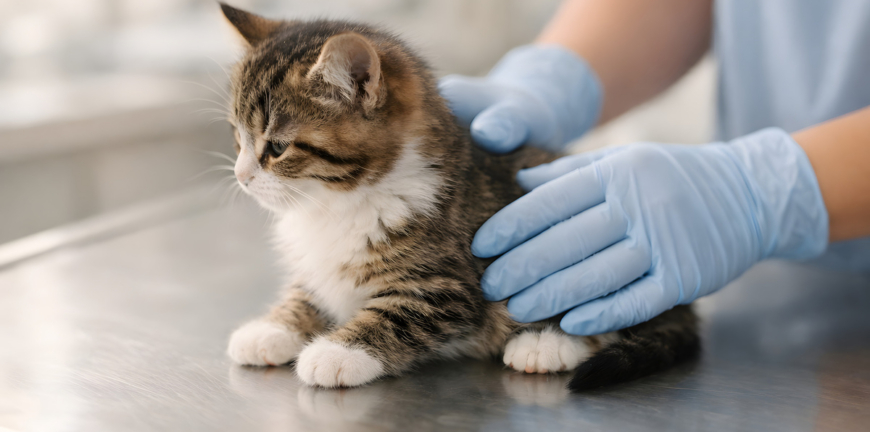
Every pet receives a complete physical examination before being approved for spay or neuter surgery. This assessment serves as the foundation for safe anesthesia because it allows veterinarians to detect potential complications before your pet ever reaches the operating table. During this examination, we evaluate heart and lung function, check for signs of illness, assess body condition, and review your pet’s medical history.
Young, healthy pets may seem like ideal surgical candidates, but even seemingly minor issues like a heart murmur, respiratory infection, or fever can increase anesthetic risk. When veterinarians identify these concerns during the pre-operative exam, they can either postpone surgery until the condition resolves or adjust the anesthetic protocol to accommodate your pet’s needs.
Blood Work and Diagnostic Testing
Pre-anesthetic bloodwork provides crucial information about organ function that physical examinations alone cannot reveal. These laboratory tests evaluate kidney and liver function, blood cell counts, and protein levels, all of which affect how your pet metabolizes anesthetic drugs. Older pets or those with pre-existing conditions particularly benefit from this screening because age-related changes often develop gradually without obvious symptoms.
Our team at Pawtown Veterinary Care tailors diagnostic recommendations to each individual patient based on age, breed, health history, and findings from the initial comprehensive examination.
Vaccination Status and Infectious Disease Prevention
Up-to-date vaccinations play an important role in pre-surgical preparation by protecting your pet from contagious diseases they might encounter in a clinical setting. While vaccines are not completely effective, they significantly reduce both the likelihood of infection and the severity of illness if exposure occurs. Most veterinary facilities require current rabies vaccination as a minimum, with additional core vaccines strongly recommended.
Pets showing signs of infectious disease, such as coughing, sneezing, nasal discharge, or diarrhea on surgery day, will typically have their procedures rescheduled. This protects not only your pet but also other animals in the facility and ensures your companion can dedicate all their energy to healing rather than fighting off illness during recovery.
Fasting Guidelines and Anesthetic Safety
Proper fasting before anesthesia prevents one of the most serious surgical complications: aspiration pneumonia. When pets eat too close to their anesthetic appointment, food remaining in the stomach can be regurgitated and inhaled into the lungs while your pet is unconscious. Fasting protocols help minimize this risk by ensuring the stomach is empty when anesthesia begins.
Most adult dogs and cats should not eat after midnight the night before surgery, though water is typically allowed until a few hours before the procedure. Very young puppies and kittens under four months of age have different requirements because they are more prone to low blood sugar, and may be allowed a small meal closer to surgery time.
Pre-Surgical Communication and Planning
The consultation before surgery gives you an opportunity to discuss any concerns with your veterinarian and understand exactly what will happen during your pet’s visit. This conversation should cover the surgical procedure itself, the anesthetic protocol, pain management strategies, expected recovery timeline, and costs associated with the surgery.
Honest communication about your pet’s behavior, previous medical experiences, and any medications or supplements they take helps the veterinary team anticipate challenges and prepare accordingly. Our diagnostic capabilities enable us to gather the information needed to make critical decisions about your pet’s anesthetic plan and surgical safety.
We may recommend oral medications given at home prior to your pet’s surgery. These might include anti-anxiety and/or anti-nausea medications to make the day of surgery easier for your pet.
Same-Day Preparation and Final Health Check
Even with thorough advance planning, your pet receives another health assessment on the morning of surgery before being admitted. This final check ensures no new issues have developed since the initial consultation and confirms your pet remains a good candidate for the procedure. Body temperature, respiratory rate, heart rate, and overall demeanor are evaluated one last time before proceeding.
Central Oregon’s outdoor lifestyle means many of our patients at Pawtown lead active lives hiking, skiing, and exploring. This final assessment becomes particularly important for adventurous pets who might have sustained minor injuries between their pre-surgical appointment and surgery day.
Trust Pawtown Veterinary Care With Your Pet’s Spay or Neuter Surgery
Proper pre-surgical preparation transforms spay and neuter procedures from routine operations into carefully orchestrated events designed around your individual pet’s needs. When you choose Pawtown Veterinary Care for your dog or cat’s sterilization surgery, you are selecting a locally owned practice where quality always takes priority over quantity.
Drs. Erin Miller and Lauren Stayer bring decades of combined veterinary experience to every procedure and approach each patient as an individual rather than a number. Our family-like clinic culture extends to surgical services, where every member of our team participates in ensuring your pet receives attentive, personalized care from pre-operative planning through post-surgical recovery. Contact us to schedule a spay or neuter consultation and experience the difference thorough preparation and genuine compassion make in your pet’s surgical journey.