August 18, 2023
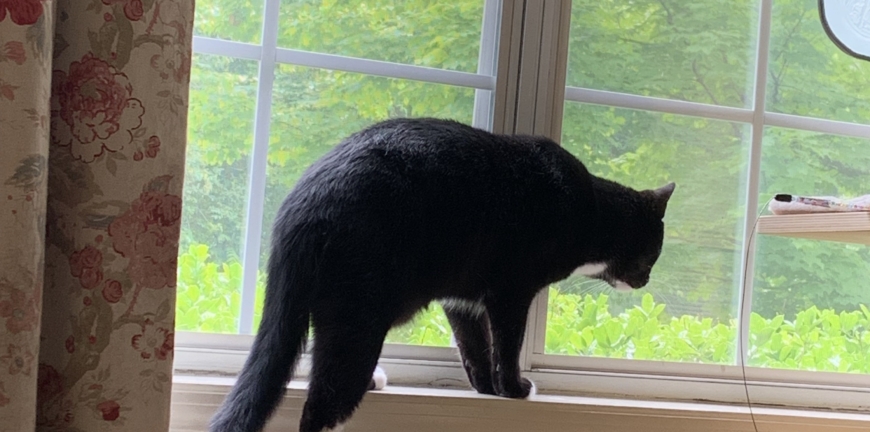
Indoor vs Outdoor
Medically Reviewed by Dr. Erin Miller, DVM on August 12, 2026
Cats can live safe, happy, healthy lives either strictly indoors or with supervised access to the outdoors, but the two lifestyles carry very different risks. Most veterinarians, including our team at Pawtown Veterinary Care, recommend keeping cats indoors or limiting outdoor time to enclosed, supervised spaces, because the health and safety benefits outweigh what a cat gains from roaming free.
Deciding between an indoor-only lifestyle and outdoor access is one of the most common questions we hear from cat owners in Bend and throughout Central Oregon. Below, we break down the real risks and benefits of each option, plus how to give your indoor cat an enriching life without letting them roam free.
Why Keeping Your Cat Indoors Is Safer
Cats that spend time outdoors face risks that indoor cats simply do not encounter. Outdoor cats can be exposed to diseases and parasites carried by other cats and wildlife, get into fights that lead to bite wounds and abscesses, and encounter predators such as coyotes, hawks, and owls that are common throughout Central Oregon’s high desert and forested areas. Traffic is another serious hazard, even on quieter residential streets.
Cats that roam can also get trapped, injured, or become too sick to make it home on their own, which makes it harder for you to know something is wrong until real damage has been done.
Outdoor Access Also Affects Local Wildlife
Cats are natural hunters, and even well-fed cats will stalk and kill birds and small mammals. Keeping cats indoors, or limiting their outdoor time to a secure enclosure, helps protect the songbirds and other wildlife that make Central Oregon such a special place to live.
The Downside: Indoor Cats Can Get Bored
The tradeoff with an indoor-only lifestyle is that inactivity and boredom can lead to stress-related health issues, including obesity, inappropriate urination, and hair loss from over-grooming. An indoor cat who is under-stimulated is more likely to develop behavior problems than one with an enriched environment.
The good news is that boredom is one of the easiest problems to solve. If you are also noticing signs of stress in your cat beyond simple boredom, our guide to pet anxiety, separation anxiety, and noise phobias covers what those signs look like and when it is time to get help.
How to Give Your Indoor Cat Safe Outdoor Access
You do not have to choose between total confinement and free roaming. A catio, an enclosed patio, deck, or porch space, gives your cat fresh air, sunlight, and something to watch without exposing them to cars, predators, or other animals’ parasites. A cat skywalk built under the eaves of your house and accessed through an upstairs window offers a similar benefit for homes without ground-level outdoor space.
A secure harness and leash is another option for supervised outdoor time, as long as your cat has been gradually introduced to wearing one. Ohio State University’s Indoor Pet Initiative has practical, research-based tips for keeping indoor cats healthy and stimulated that we recommend to our own clients.
Indoor Enrichment Ideas
You can keep an indoor cat active and engaged with a few simple additions to your home.
- Treat puzzles: Hiding treats or using puzzle feeders taps into a cat’s natural foraging instinct.
- Vertical space: Cat trees, shelves, and window perches give cats places to climb and survey their territory.
- Scratching surfaces: Scratching posts protect your furniture and satisfy a natural behavioral need.
- One-on-one play: Ten to fifteen minutes of interactive play with a wand toy most days goes a long way toward reducing boredom.
Rotating toys every week or two keeps novelty high, since most cats lose interest quickly in anything that never changes. For more ideas, see these ways to entertain your pet at home.
Indoor Cats Still Need Regular Veterinary Care
Whichever lifestyle you choose, indoor cats are not exempt from routine veterinary visits. They are still exposed to internal parasites, dental disease, and age-related conditions that have nothing to do with time spent outdoors. Our article on why indoor cats still need regular veterinary checkups goes into more detail on what indoor-only cats remain at risk for.
During a comprehensive exam, we can also help you build a preventive care plan, including appropriate flea and tick prevention and microchipping, tailored to your cat’s specific lifestyle, indoors, outdoors, or somewhere in between.
Frequently Asked Questions About Indoor vs. Outdoor Cats
Is it unkind to keep a cat indoors only?
No. Indoor-only cats generally live longer than cats with outdoor access because they avoid traffic, predators, fights, and contagious disease. A cat can live a full and content life indoors as long as their environment includes enough activity, climbing space, and interaction to prevent boredom.
Can I let my indoor cat outside sometimes?
Supervised outdoor time can work well if it is structured, such as time in a catio, an enclosed patio space, or on a harness and leash after gradual training. Unsupervised free roaming carries the most risk, since it exposes a cat to traffic, predators, and other animals without any protection.
What is a catio and does my cat really need one?
A catio is an enclosed outdoor structure, often built onto a patio, deck, or window, that lets a cat experience fresh air and sunlight while staying fully contained. It is not a requirement, but it is one of the most effective ways to satisfy an indoor cat’s curiosity about the outdoors without any of the usual risks.
Are outdoor cats at higher risk for parasites and disease?
Yes. Cats that spend time outdoors are far more likely to encounter fleas, ticks, intestinal parasites, and contagious diseases spread through contact with other cats and wildlife. Outdoor cats generally need more frequent parasite screening and year-round preventive medication than strictly indoor cats.
What predators are outdoor cats exposed to in Central Oregon?
Coyotes, hawks, and owls are all present in and around Bend and pose a real risk to cats who roam unsupervised, particularly at dawn, dusk, and overnight. Neighborhoods bordering open land or juniper forest tend to see the most predator activity.
Whichever option you choose for your cat, take some time to think through how to keep them healthy and happy for the long run. We are here to help and can build a preventive care plan tailored to your cat’s lifestyle, whether that means an indoor-only routine, a catio, or supervised outdoor time. Contact us today to schedule a visit and talk through what makes sense for your household.
About the Author
Co-Founder, Pawtown Veterinary Care
Dr. Erin Miller co-founded Pawtown Veterinary Care with a commitment to relationship-based, whole-pet care for dogs and cats throughout Bend and Central Oregon.
Medically Reviewed By
Dr. Erin Miller, DVM & Dr. Lauren Stayer, DVM
Owners & Veterinarians, Pawtown Veterinary Care — Bend, Oregon