October 30, 2022
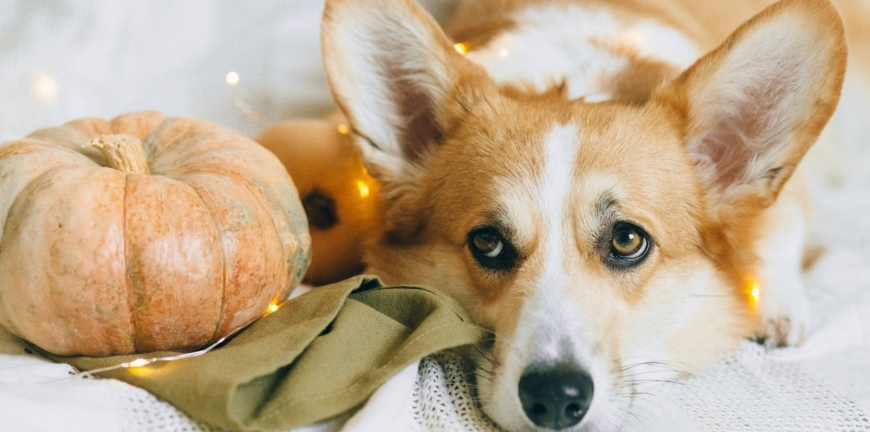
Halloween Pet Safety Tips
Medically Reviewed by Dr. Lauren Stayer, DVM on August 11, 2026
Halloween is a fun time of year for many of us, but not all of our pets enjoy the holiday. They can get scared of costumes, lights, or the constant trick-or-treat visitors, and the candy bowl brings its own set of risks. Here are the Halloween pet safety tips we share with Bend-area families every year.
Candy
Keep candy out of the reach of your pets.
- Chocolate can be toxic to dogs. Dark chocolate or semi-sweet chocolate are more toxic than milk or white chocolate. All chocolate can be toxic if your pet ingests enough of it.
- Xylitol is an artificial sweetener found in many sugar-free candies and gums. It is very toxic to dogs when ingested, and according to the ASPCA, even a single stick of xylitol gum can be dangerous for a dog, potentially leading to liver failure.
- Upset stomach, such as vomiting or diarrhea, can also be caused by candy ingestion.
- Wrappers, sticks from suckers, or other packaging have the potential to cause an obstruction if your pet eats them.
- Raisins and grapes, sometimes handed out or dropped during Halloween gatherings, can cause kidney failure in dogs even in small amounts.
- If your pet ingests candy or the packaging, you can call your veterinarian, local emergency clinic (Veterinary Referral Center or Bend Animal Emergency) or Animal Poison Control (fees may apply when calling poison control). They can advise you on next steps needed for your pet.
Pet Costumes
Pet costumes can be cute, but your pet may not enjoy wearing them and some can pose health hazards.
- Do not leave a costumed pet unsupervised
- Choose a costume that does not limit mobility or vision
- Avoid anything that could shift or tighten around a limb or neck
- Make sure the costume is not too hot or too heavy
- Limit the amount of time your pet is in costume
- Avoid costumes with small pieces that could be ingested causing a foreign body
Halloween Night
Pets may find costumes and constant knocks at the door stressful.
- Keep your pet indoors on Halloween
- During trick-or-treat time, keep them in a separate room or crate to keep them from sneaking out the door
- Or have a separate family member sit with them and hold them to prevent escape
- Double check that your pet is wearing an ID tag, and confirm your microchip information is current, in case they do slip out the door during the commotion
Decorations
- Avoid candles that could get knocked over or burn your pet
- Watch out for electrical wires and cords that your pet may be tempted to chew on, which can be dangerous
- Your pet may be afraid of certain noises or flashing lights from some decorations
- Glow sticks and glow jewelry are generally non-toxic but taste extremely bitter, so a curious bite can cause excessive drooling and frantic behavior; a small treat or sip of milk usually helps the reaction pass
- Fake cobwebs, small plastic decorations, and candy wrappers left within reach are common causes of obstructions, so a quick sweep of the yard and porch after trick-or-treaters leave is worth the extra few minutes
Pumpkins and Fall Decor
Plain, cooked or raw pumpkin flesh is generally safe for dogs and cats in small amounts and is even used as a mild fiber source for digestive support. The concerns come from the extras: candle wax and wicks inside a jack-o’-lantern, mold growing on a pumpkin left out too long, and the seeds and stem, which are harder to digest and can contribute to an upset stomach in larger quantities.
Enjoy Halloween and also make sure to keep your pets safe. Our urgent care team can see pets during business hours. If you have any questions, or your pet gets into something they should not have, please feel free to contact us.
Frequently Asked Questions About Halloween Pet Safety
What should I do if my dog eats Halloween candy?
Call your veterinarian, a local emergency clinic, or Animal Poison Control right away, and try to identify what and how much your pet ate, including whether it contained chocolate or xylitol. Do not induce vomiting unless a veterinary professional tells you to.
Are glow sticks and glow jewelry dangerous for pets?
Most glow sticks are labeled non-toxic, but the liquid inside tastes extremely bitter, and a bite can cause sudden drooling and agitated behavior. Offering a small treat or a sip of milk usually helps the reaction pass, but call your veterinarian if symptoms continue.
How can I keep my pet calm during trick-or-treating?
Keep your pet in a separate room or crate away from the front door, provide familiar toys or bedding, and consider background noise like a television or fan to soften the sound of the doorbell. For pets with significant anxiety, talk to your veterinarian ahead of the holiday about additional options.
Is it safe to let my dog eat pumpkin?
Plain, fresh pumpkin flesh in small amounts is generally safe and can even help with mild digestive upset. Avoid pumpkin that has been sitting out and may be moldy, and keep dogs away from candle wax, seeds, and stems from a carved jack-o’-lantern.
What Halloween decorations are the biggest hazards for pets?
Lit candles and jack-o’-lanterns pose a burn or fire risk, electrical cords can tempt chewing, and small decorations like fake cobwebs or plastic pieces are choking or obstruction hazards. A quick check of the yard and porch after trick-or-treaters leave helps catch dropped candy and wrappers, too.
About the Author
Co-Owner and Veterinarian, Pawtown Veterinary Care
Dr. Stayer is a co-founder of Pawtown Veterinary Care in Bend, Oregon, where she and Dr. Erin Miller built a practice centered on honest communication and compassionate, family-centered care for dogs and cats across Central Oregon.
Medically Reviewed By
Dr. Erin Miller, DVM & Dr. Lauren Stayer, DVM
Owners & Veterinarians, Pawtown Veterinary Care — Bend, Oregon