December 4, 2021
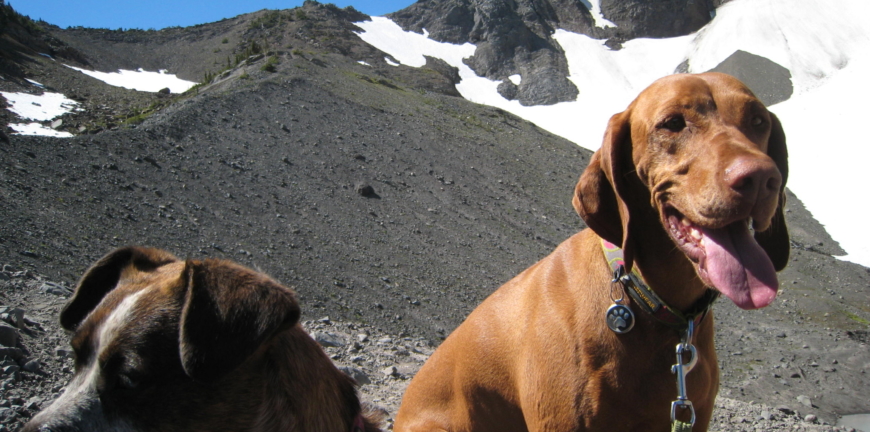
Winter Safety Tips From Your Pawtown Veterinarians
Medically Reviewed by Dr. Lauren Stayer, DVM on August 17, 2026
Central Oregon winters bring real risks for dogs and cats, from frostbite and hypothermia to chemical hazards hiding in plain sight on sidewalks and driveways. As the cold weather and snow return, there are a few things to keep in mind to help keep your pets safe. Remember, they have spent the last few months in a different climate, so it will take a while for them to acclimate, including changes to their haircoat and paw pads.
Pawtown Veterinary Care sees the same cold-weather concerns come through our doors every year, from paw pad injuries after the first big snow to emergency calls about antifreeze exposure. Our veterinary team put together this guide so Bend-area pet owners know what to watch for and how to prepare before the temperature drops.
Who Is Most at Risk in Cold Weather
Every pet handles cold differently, but a few groups need extra caution. Puppies and kittens cannot regulate their body temperature as well as adult animals and carry very little body fat for insulation. Small breeds and short or thin-coated dogs lose heat faster than larger, double-coated breeds such as Huskies or Malamutes. Senior pets, underweight animals, and those with arthritis or other medical conditions also have a harder time staying warm and may need a senior wellness visit before winter to make sure they are ready for the season. A pet coming from a warmer climate or acclimated to milder weather will need extra time and caution as temperatures fall. According to the Cornell University College of Veterinary Medicine, cold tolerance depends heavily on a pet’s age, size, coat thickness, and overall health, which is why the same winter afternoon can be perfectly comfortable for one dog and risky for another.
Keeping Pets Safe at Home During Cold Weather
Provide adequate shelter and warmth for every pet in the house. Make sure dogs and cats can get out of the cold through a pet door or by resting in a warm, covered indoor space, since even a garage can get too cold for comfort. Do not leave pets outside or in an unheated space for very long, since dogs and cats can develop frostbite in severe conditions. Be careful with heating pads or heat lamps, as pets can be burned if they lie too close for too long, and check outdoor or garage water dishes often so they do not freeze over.
Pets often get less outdoor exercise during the winter months, so keep plenty of toys and enrichment on hand indoors, especially for pets left alone during the day. It is also a good time to make sure your pet’s microchip information is current, since dogs can lose their scent and become disoriented more easily in snow, making a working microchip and an ID tag especially valuable during winter months.
Antifreeze and Other Winter Chemical Hazards
Antifreeze is one of the most dangerous substances a pet can encounter in winter, and even a small amount can be fatal to dogs and cats. It has a sweet taste that can attract curious pets, so clean up any spills from your vehicle immediately and store containers well out of reach. The ASPCA recommends choosing antifreeze made with propylene glycol rather than ethylene glycol where possible, but no amount of either should ever be left where a pet can reach it. Ice-melting products used on sidewalks and driveways can also irritate paw pads and cause stomach upset if licked off, so pet-safe de-icers are the better choice for households with animals.
Protecting Paws and Preventing Injury on Winter Adventures
Getting outside is still good for your pet during the winter, as long as you take a few precautions along the way:
- Protect those paws: Snow and ice can be very abrasive for paw pads, nail beds, and the skin between the pads, especially early in the season. Start with short trips outside to allow your pet’s pads time to adjust, and consider a boot for added protection.
- Watch for slow-going in deep snow: Deep snow is hard to navigate for a dog who is sinking through the top layer and bounding through it. Pets can tire more quickly than usual, which can lead to overexertion or injury.
- Bring extra water and treats: Streams and lakes that normally provide fresh water may be frozen, so pack extra water for your four-legged friend on longer outings.
- Follow local leash laws: Whether you are walking within Bend or on a trail in the mountains, leash rules help keep your pet and other pets or people nearby safe.
- Never leave a pet in a cold car: A parked car holds in the cold much like a refrigerator, even on a mild winter day.
A little preparation before heading out goes a long way toward keeping the adventure fun instead of risky.
Signs Your Pet Is Not Tolerating the Cold
If it feels too cold for you, it is likely too cold for your pet as well. Shivering, whining or barking, tucking the tail, hunching the posture, repeatedly lifting a paw off the ground, or a sudden reluctance to keep walking are all signs your pet needs to come inside and warm up. Cats and dogs with arthritis may show increased stiffness or slower movement on cold days, and monitoring their mobility during winter can help you catch a flare-up before it becomes painful. If any of these signs do not improve once your pet is warm and dry, it is worth a call to your veterinarian.
When Cold Weather Becomes an Emergency
Prolonged cold exposure can lead to frostbite or hypothermia, both of which need prompt veterinary attention. Frostbite most often affects the ears, paws, and tail tip, and it can be hard to assess right away since the full extent of the damage may not be clear for a few days. Hypothermia is more urgent and can become life-threatening if a pet’s body temperature drops too far. If you suspect either condition, or if your pet is unusually weak, disoriented, or unresponsive after time in the cold, contact our emergency veterinary care team right away rather than waiting to see if things improve on their own.
Trust Pawtown Veterinary Care With Your Pet’s Health This Winter
It is always fun seeing pets outside enjoying the snow, and with a bit of preparation, your dog or cat can safely enjoy the season alongside you. Watching for the early signs of cold intolerance, keeping chemical hazards out of reach, and protecting paws on every outing all add up to a safer winter for your pet.
Dr. Miller and Dr. Stayer built Pawtown Veterinary Care to give Bend-area pets the kind of focused, personal attention that comes with a locally owned practice. Whether your pet needs a pre-winter wellness check or you have questions about a symptom you noticed after a cold walk, our team is ready to help. Request an appointment today, or contact us anytime with your winter pet safety questions.
Frequently Asked Questions About Winter Pet Safety
How cold is too cold for a dog or cat to be outside?
There is no single temperature that applies to every pet, since coat type, size, age, and health all play a role. A simple rule of thumb is that if the cold feels uncomfortable to you within a few minutes, it is likely uncomfortable or unsafe for your pet as well, especially for small breeds, puppies, and senior animals.
What are the first signs of frostbite in dogs and cats?
Frostbite most commonly affects the ears, paws, and tail tip, and early signs can include pale or grayish skin, coldness to the touch, and pain when the area is handled. The full extent of frostbite damage can take a few days to become clear, so any suspected case should be seen by a veterinarian promptly.
Is antifreeze really dangerous for pets?
Yes, antifreeze is one of the most dangerous substances a pet can encounter, and even a small amount can be fatal to dogs and cats. Its sweet taste can attract curious pets, so any spills should be cleaned up immediately and containers stored well out of reach.
Do short-haired dogs need a coat in winter?
Many short-haired or small-breed dogs benefit from a coat or sweater during Central Oregon winters, since they lose body heat faster than thick, double-coated breeds. A well-fitting coat that covers the belly and chest can help prevent snowball accumulation and keep your dog more comfortable on walks.
Can dogs get arthritis flare-ups from cold weather?
Cold weather can make arthritis symptoms more noticeable, since joints tend to stiffen in lower temperatures. Watch for increased stiffness, slower movement, or reluctance to walk on cold days, and talk with your veterinarian if these symptoms seem to be affecting your pet’s comfort or mobility.
About the Author
Co-Founder, Pawtown Veterinary Care
Dr. Lauren Stayer co-founded Pawtown Veterinary Care and is passionate about client education and preventive care for dogs and cats throughout Bend and Central Oregon.
Medically Reviewed By
Dr. Erin Miller, DVM & Dr. Lauren Stayer, DVM
Owners & Veterinarians, Pawtown Veterinary Care — Bend, Oregon